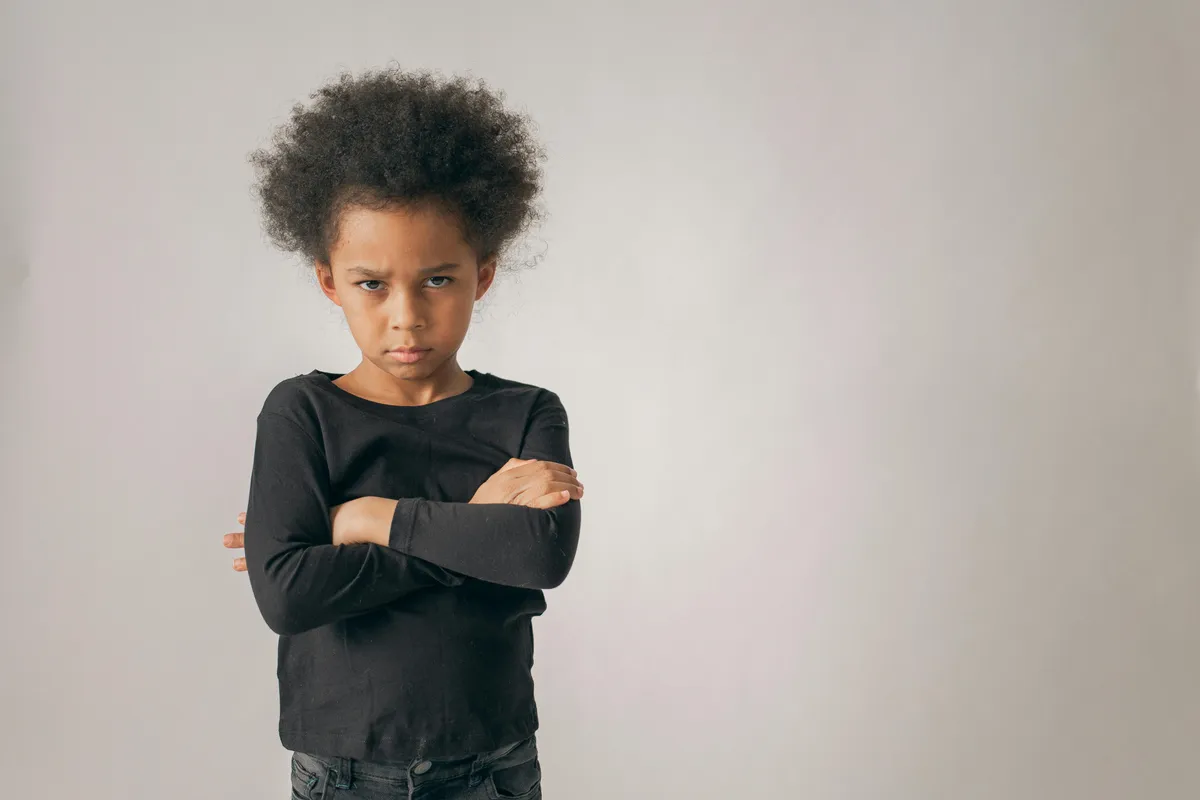
Is YouTube setting kids up for meltdowns?
Why does ending screen time so often turn into a battle? Research from the University of Washington points to autoplay as a main culprit. By removing natural stopping points, platforms like YouTube make it harder for children to switch off without a fight.
One of today’s biggest challenges for parents of young children is how to get them off a screen without a meltdown. You say time’s up, and suddenly you are negotiating with a four-year-old who did not plan to stop. Many parents recognize the pattern. Screen time ends in tears. Again.
Parents have been wrestling with this for years. Back in 2016, researchers at the University of Washington published a study that followed dozens of families and tracked over a hundred real screen-time transitions. Their question was simple: what makes stopping screen time easier, and what makes it harder?
Why natural stopping points matter
One of their findings was reassuring. Children cope much better when screen time ends at a natural stopping point, such as the end of an episode, a movie, or a game. These moments make sense to young children. Something finished, so it is time to move on.
Another finding was more surprising. The familiar two-minute warning did not help. In fact, children who were warned by their parents were, on average, more upset when the screen went off. The researchers suggest this is because toddlers and preschoolers are deep in the autonomy phase. A warning from a parent can feel like a power struggle. When the technology itself ends the session, children tend to accept it more easily.
How autoplay makes things worse
And this is where autoplay comes in. Parents in the study repeatedly pointed to autoplay on platforms such as YouTube as a major problem. When a new video starts automatically, even for a few seconds, transitions become much harder. Parents described hovering over the remote, trying to stop the next clip from loading, knowing that if they missed the moment, a tantrum was likely.
Once the next video starts, the battle is already lost.
That was ten years ago. Since then, the rise of endless feeds and other features designed to encourage continuous viewing has made it even easier to keep watching without reaching a natural stopping point. On platforms like YouTube, when autoplay is switched on, one video flows straight into the next, removing the natural endings children rely on.
This is exactly the gap Meevee is designed to fill. Meevee is built around clear endings and gentle transitions. Screen time ends like a good story should. Not with a fight, but with a pause, a breath, and a natural moment to move on.